Message Us 24/7

Houston winters are usually mild, which is exactly why a hard freeze catches so many homeowners off guard. A system that has sat idle all summer can fail on the coldest night of the year, and a burst pipe or frozen outdoor unit can turn a two-day cold snap into an expensive repair. The good news: a little preparation in the fall goes a long way. Here is how to get your heating system ready before the next Houston freeze.
Do not wait for the first freeze warning to turn the heat on for the first time. Run your system on a mild fall day and let it heat for 20 to 30 minutes. A light dusty smell at first startup is normal and should fade quickly. If the smell lingers, if the system will not start, or if some rooms stay cold, that is your early warning to get it checked while appointments are still easy to book. Testing early also tells you whether your thermostat, blower, and safety controls are all working together.
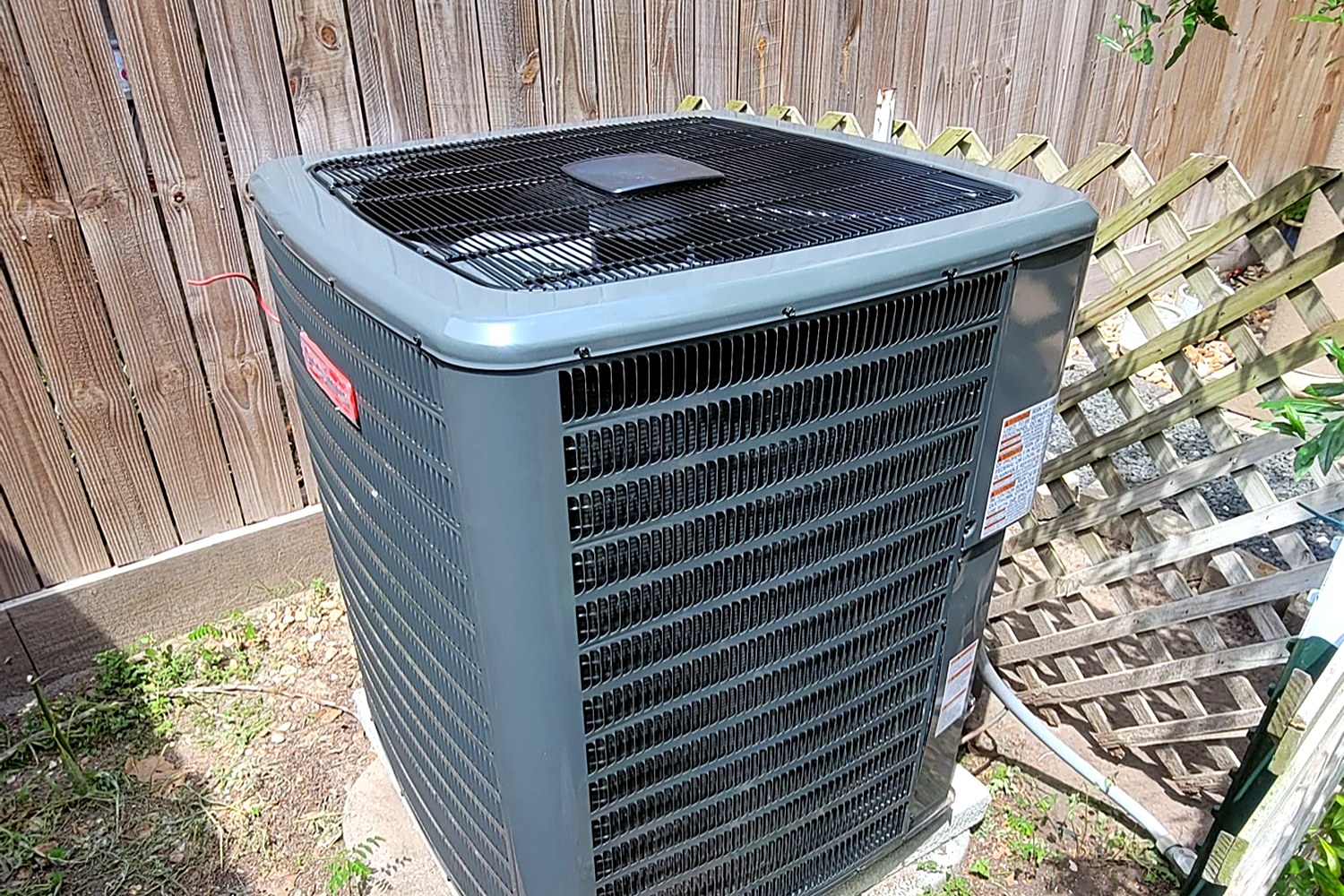
A dirty filter is the simplest cause of heating trouble, and it gets worse in a freeze when the system runs longer and harder. Replace the filter before cold weather arrives, and keep all supply vents open, even in rooms you rarely use. Closing vents does not save energy — it raises pressure in the ducts, strains the blower, and can leave distant rooms cold. If you have a heat pump, keep the outdoor unit clear of leaves, mulch, and stored items so air can move freely around it.
During a freeze, steady beats dramatic. Avoid big overnight setbacks: letting the house get very cold and then asking the system to recover in the morning forces long, hard run times. Keep a steady, comfortable setting, and if you have a heat pump, avoid switching to emergency heat unless the system truly cannot keep up — emergency heat is expensive backup heat, not a normal winter mode. A programmable or smart thermostat makes steady settings easy, and it is worth checking that its batteries and schedule are set before winter. For more detail, see our guide to fall thermostat settings.
Most freeze damage in Houston is not the furnace — it is water. Insulate exposed pipes in attics, garages, and exterior walls, disconnect garden hoses, and know where your main water shutoff is before you need it. On the coldest nights, letting faucets on exterior walls drip slightly can help. For the outdoor unit, do not wrap it tightly in plastic or a tarp, which traps moisture; a light, breathable cover is fine for a conventional air conditioner that is off for the season, but a heat pump that heats your home must stay uncovered and clear so it can run and defrost normally.
Call a technician before the freeze if you notice short cycling (the system turning on and off every few minutes), a furnace that blows cold air, strange grinding or squealing noises, or a heat pump that ices over heavily and never defrosts. During a freeze, if the system stops entirely, check the breaker and the thermostat batteries first, then call for help rather than repeatedly resetting the system. If you smell gas at any point, leave the house and call your gas utility right away.
A little fall preparation is the cheapest insurance a Houston heating system gets. If your system has not had a checkup this year, now is the time. If you are not sure where to start, a heating tune-up in Houston is the right first step. Take advantage of our Tune-Up Special — $120 for the first system and $80 for each additional system. Call (346) 346-1177 or book online.