Message Us 24/7

On a chilly Houston morning, you step outside and notice something worrying: your heat pump’s outdoor unit is covered in frost or ice. Before you panic, know this — some frost is completely normal. Heat pumps pull heat from cold outdoor air, and in Houston’s damp winter weather that process often leaves a thin layer of frost behind. The real question is whether your system clears that frost on its own, or whether the ice is a sign something is wrong. Here is how to tell the difference.
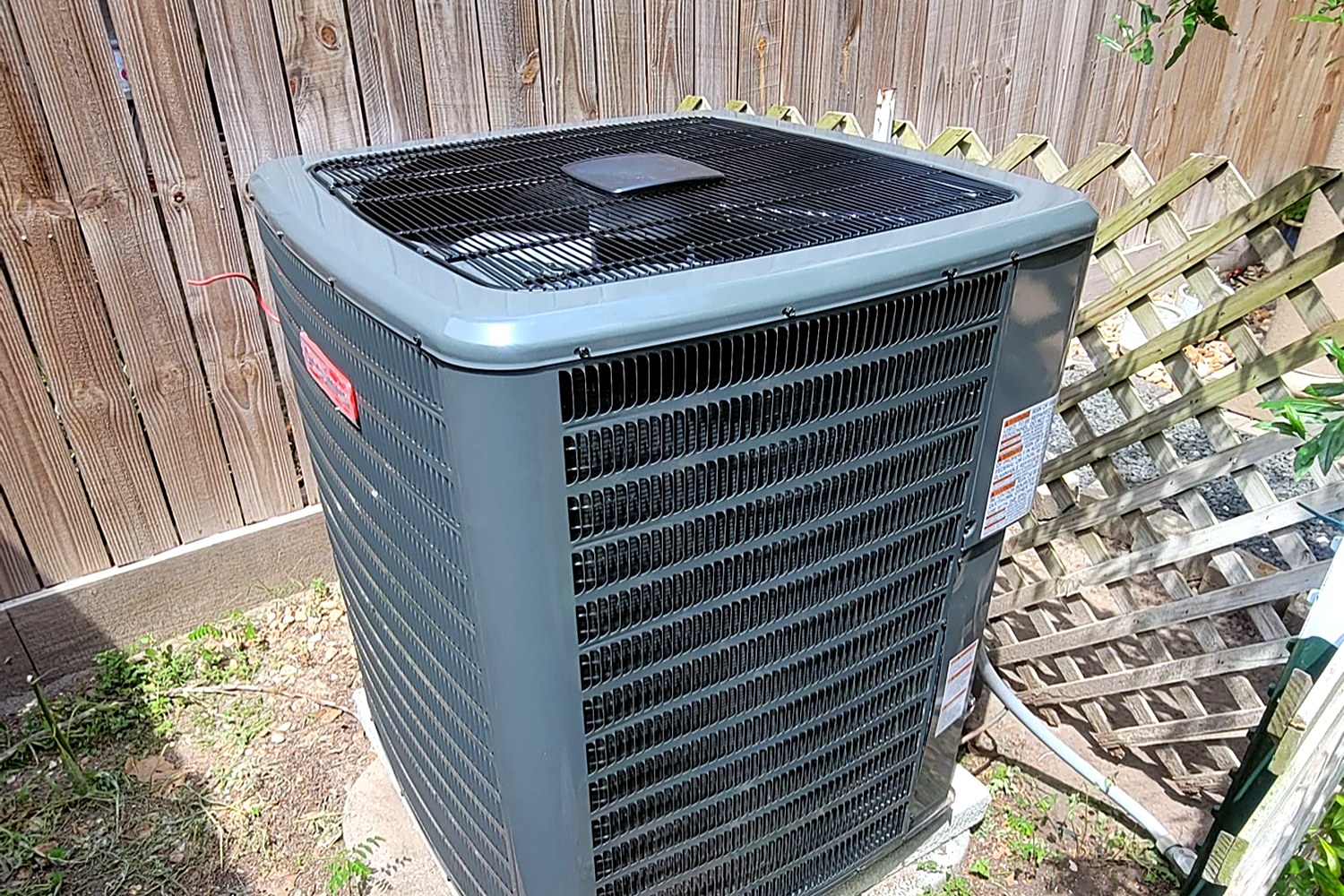
A heat pump heats your home by absorbing heat from the air outside, even when that air feels cold. As the outdoor coil gets colder than the dew point of the surrounding air, moisture in the air condenses and freezes on the coil — the same way frost forms on a cold window. Your system is built for this. Every so often, usually every 30 to 90 minutes in cold, damp conditions, it switches briefly into defrost mode: the outdoor fan stops, the system reverses for a few minutes, and the coil warms up enough to melt the frost. You may see steam rising from the unit and hear a whooshing sound when it switches back. That steam and noise are normal. Within about 10 minutes, the unit should be back to heating and mostly ice-free.
A thin, even layer of frost that melts away during defrost cycles is normal, especially on damp Houston mornings in the 30s and 40s. Call for service if you see any of these warning signs: thick ice that coats the whole coil and never melts; ice building up day after day; the unit stuck in defrost or switching back and forth constantly; weak or lukewarm air from your vents; or the system running on emergency or auxiliary heat for long stretches. Emergency heat is a backup, not a long-term heating plan — if your thermostat shows it running for days, the heat pump is not doing its job and your electric bill will show it.
Start with the simple checks. Make sure the outdoor unit has breathing room: clear leaves, mulch, and debris from around it, and keep plants and fences at least two feet away. Check your indoor air filter — a dirty filter restricts airflow, and low airflow makes icing worse; replace it if it looks clogged. Keep all supply vents open; closing vents does not save energy, it starves the system of air. Never chip ice off the coil with a tool and never pour hot water over the unit — both can bend the delicate coil fins or crack parts, turning a small problem into an expensive repair. If the unit is iced over and the house is getting cold, switch the thermostat to emergency heat temporarily while you arrange service, rather than letting the system struggle. For more cold-weather steps, learn how to prepare your HVAC system for a Houston freeze.
If icing keeps coming back, a technician will look for the underlying cause. Common culprits include a faulty defrost sensor or control board that never triggers a defrost cycle, low refrigerant from a leak, a dirty outdoor coil that cannot absorb heat properly, or a blower or duct problem reducing airflow. These are not homeowner repairs: refrigerant work and control-board diagnosis need proper tools and training. A seasonal heating check catches most of these early — the coil is cleaned, refrigerant and airflow are measured, and the defrost cycle is tested before the coldest weeks arrive.
Ice acts like insulation on the coil, blocking the heat transfer your system depends on. The harder the heat pump works against that ice, the more electricity it uses and the less heat your home gets. Left alone, a frozen coil can damage the compressor — the most expensive part of the system — and leave you without heat on the coldest night of the year. A little frost on a damp morning is no emergency. A unit buried in ice that never clears is.
A heating tune-up in Houston before the coldest weeks can help prevent icing problems. If your heat pump keeps icing up, or you are not sure whether what you are seeing is normal, Top Texas Choice can check it for you. Our Tune-Up Special is $120 for the first system and $80 for each additional system. Call (346) 346-1177 or book online.