Message Us 24/7

In Houston, an air conditioner rarely gets a day off. Months of heat, humidity, pollen, and yard dust mean your system pulls a lot of air — and everything in it — across its coils. When those coils get dirty, your home cools more slowly, your bills creep up, and your system wears out faster. The good news: a dirty coil is a common, fixable problem, and catching it early can save you real money.
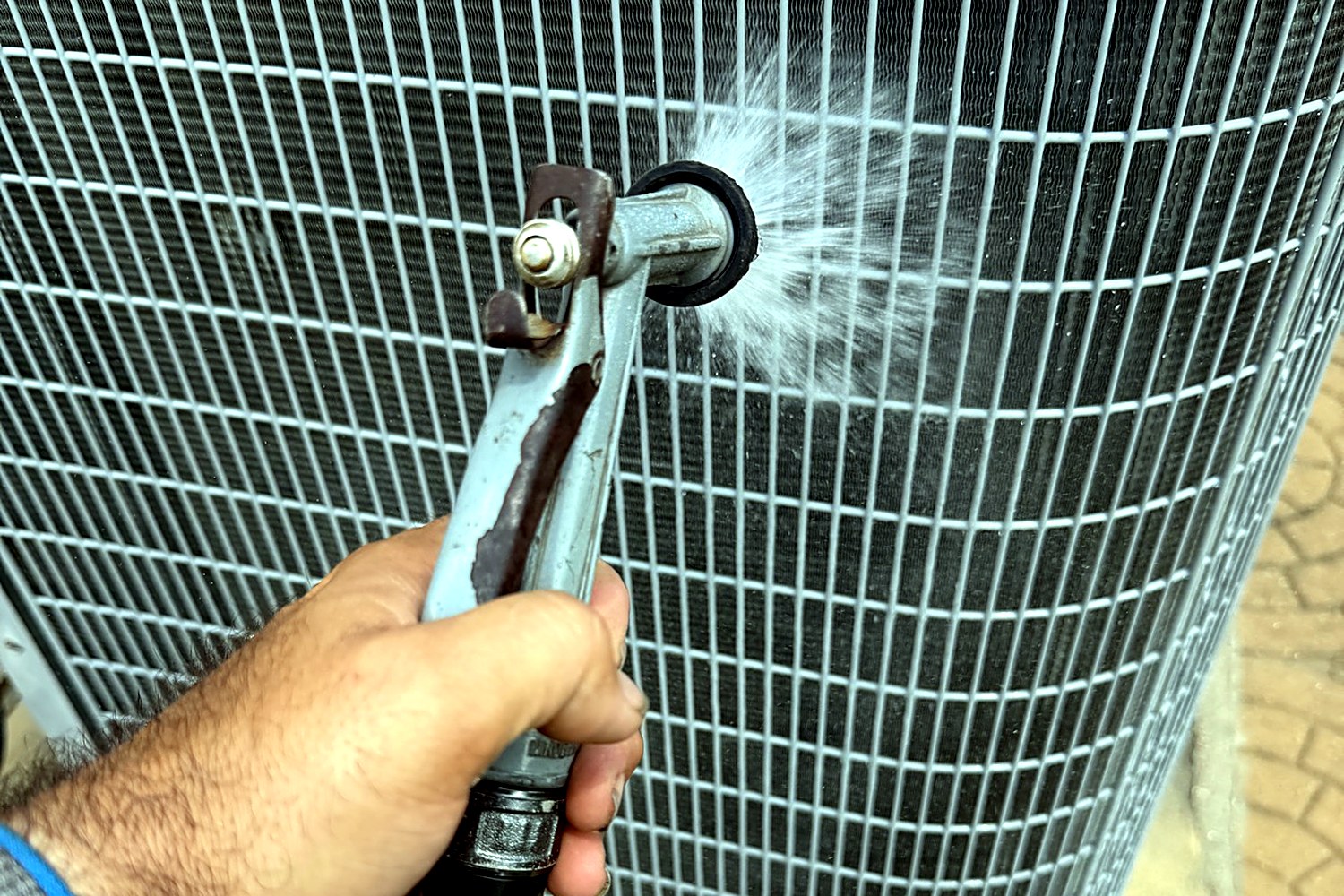
Your system has two main coils. The evaporator coil, usually inside near your air handler, absorbs heat from your home’s air. The condenser coil, in the outdoor unit, releases that heat outside. Both need clean metal surfaces and steady airflow to move heat efficiently. When dirt, dust, and grime coat those surfaces, they act like insulation in exactly the wrong place — heat cannot move through them as easily, so your system has to run longer to reach the same temperature.
A dirty coil does not always announce itself loudly. Watch for these clues, especially if they appear together:
Any one of these can have other causes too, so treat them as a reason to investigate, not a diagnosis on its own. Weak airflow, for example, can also come from a clogged filter or duct problems — see our guide to AC airflow problems in Houston homes: https://toptexaschoice.com/ac-airflow-problems-houston/
Houston’s climate is hard on coils. High humidity keeps dust and pollen sticking to wet coil surfaces instead of blowing past. Live oaks, grass, and seasonal pollen add to the load, and outdoor units near mulch beds, lawn clippings, or cottonwood fluff collect debris quickly. Indoors, pets, cooking, and attic dust add to what the filter must catch — and anything the filter misses can eventually reach the evaporator coil. A system that runs most of the year simply has more hours to collect all of it.
You can do a few safe, simple checks without touching the inside of your equipment:
Do not hose down an indoor coil, spray household cleaners on coils, or straighten fins yourself. Coils and fins are easy to damage, and the indoor coil sits near electrical parts and a drain pan. Leave coil cleaning chemicals and internal access to a professional.
A proper coil service is more than a quick rinse. A technician should inspect both coils, clean them with the right products and methods for the coil type, check the fins, confirm airflow, and check the condensate drain — a dirty system often leaves a dirty drain behind. They should also look for the underlying cause, such as a filter that does not fit well, a return-air leak pulling in attic dust, or low airflow that lets a coil ice up. If a coil keeps icing, or refrigerant levels are suspected to be off, that needs diagnosis, not just cleaning. Regular cleaning as part of an AC tune-up in Houston — https://toptexaschoice.com/cooling/ — keeps efficiency up and helps the whole system last longer.
A dirty coil costs money twice: first in higher energy bills, then in extra wear on the compressor and blower. Left long enough, it can contribute to frozen coils, water problems around the indoor unit, and breakdowns on the hottest days — exactly when you need the system most. In a humid city like Houston, it can also add to musty odors and poor indoor air quality. A clean coil, by contrast, helps your system cool faster, run shorter cycles, and hold a steadier temperature.
If your Houston home is cooling slowly, running longer than usual, or costing more to keep comfortable, a dirty coil could be part of the story. Top Texas Choice offers a Tune-Up Special: $120 for the first system and $80 for each additional system. Call (346) 346-1177 or book online at https://toptexaschoice.com/#book-service — we serve homes and light commercial properties across the Greater Houston area.