Message Us 24/7

When the first cool nights arrive in Houston, most furnaces settle into a steady rhythm: on for a while, off for a while, and on again when the house cools down. Short cycling is different. Your furnace fires up, runs for only a few minutes, shuts off, and then starts again — over and over. It may still keep the house roughly warm, but that stop-start pattern wastes energy, wears out parts, and often signals a problem worth checking before a real cold snap arrives.
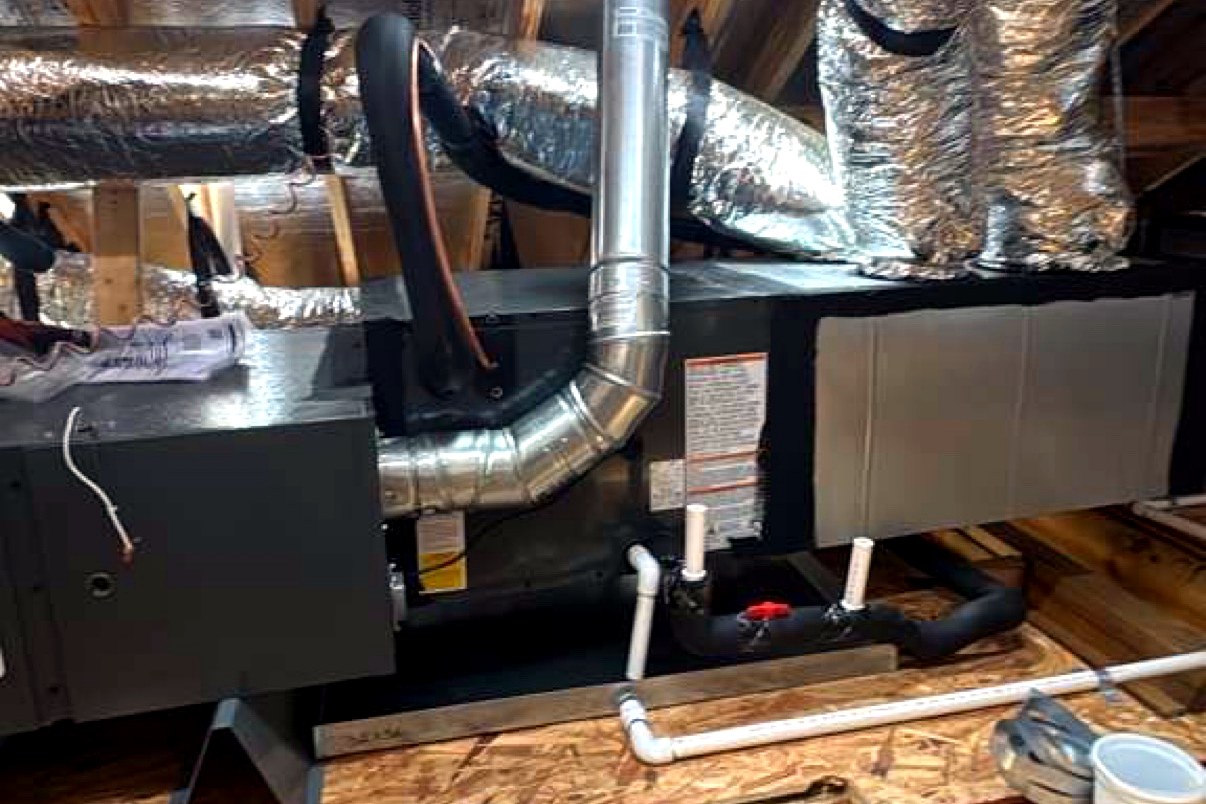
A healthy furnace cycle usually lasts long enough to bring the house up to the thermostat setting, then rests until the temperature drops again. Short cycling means the run is cut short — often just two to five minutes — before the furnace shuts down and restarts a short time later. That is not the same as a blower that never turns off, which is a different problem. With short cycling, the system never gets a proper, complete heating run, so rooms can feel uneven even while the furnace seems busy all evening. That is different from a furnace blowing cold air, which points to a different set of causes.
The most common cause is restricted airflow. A dirty filter, closed or blocked supply vents, or a blocked return can trap heat inside the furnace until a safety limit switch shuts it down to prevent overheating. Once it cools, it starts again — and the cycle repeats. A thermostat can cause the same pattern if it sits in direct sunlight, above a heat vent, near a drafty door, or if it is failing or has weak batteries: it reads the wrong temperature and calls for heat, then stops, too soon. A furnace that is oversized for the home is another classic cause. It heats the air near the thermostat very quickly, satisfies the thermostat, and shuts off before warmth has spread through the house. A dirty flame sensor can also shut the burner down shortly after ignition, and a blocked exhaust vent can trip safety controls for the same reason. These are not problems to guess at — but a few simple homeowner checks can rule out the easy ones first.
Start with the filter. If it looks gray or clogged, replace it with the correct size and recheck how the furnace runs. Keep all supply vents open and unblocked by furniture, rugs, or curtains, and make sure the return grille is not covered. Check the thermostat setting: it should be on HEAT with the fan on AUTO, not ON, and set a few degrees above the current room temperature to test a full cycle. Look at where the thermostat sits — a nearby lamp, a sunny window, or a cold draft can fool it. Do not open the furnace cabinet beyond the filter compartment, do not bypass a safety switch, and do not keep resetting a furnace that shuts itself down repeatedly. Those safety shutdowns are doing their job, and forcing the system to run can turn a small repair into a bigger one.
Call for service if short cycling continues after a fresh filter and open vents, if the furnace shows an error code or flashing status light, if you smell gas or burning, or if a carbon monoxide detector ever alarms — in that case, leave the house and call emergency services first. A technician can clean or replace a flame sensor, test the limit switch and airflow, check the venting, and confirm whether the thermostat is reading accurately or needs relocating. If the furnace is oversized, a technician can measure the home’s actual heating load and explain the options honestly; that is a sizing conversation, not a reason to keep replacing parts on a system that was never matched to the house.
Short cycling is hard on a furnace. Every extra start puts wear on the igniter, blower motor, and controls, and the repeated heating and cooling can shorten the life of the heat exchanger. It also costs more to run, because startup is the least efficient part of a cycle, and it leaves some rooms cold while others overheat. In Houston, where a mild week can turn into a sudden freeze, a furnace that is already struggling is the one most likely to quit on the coldest night. Catching the cause in autumn is a far smaller job than an emergency call in January.
If your furnace keeps turning on and off, a heating tune-up in Houston is the right first step. Our Tune-Up Special is $120 for the first system and $80 for each additional system. Call (346) 346-1177 or book online.